
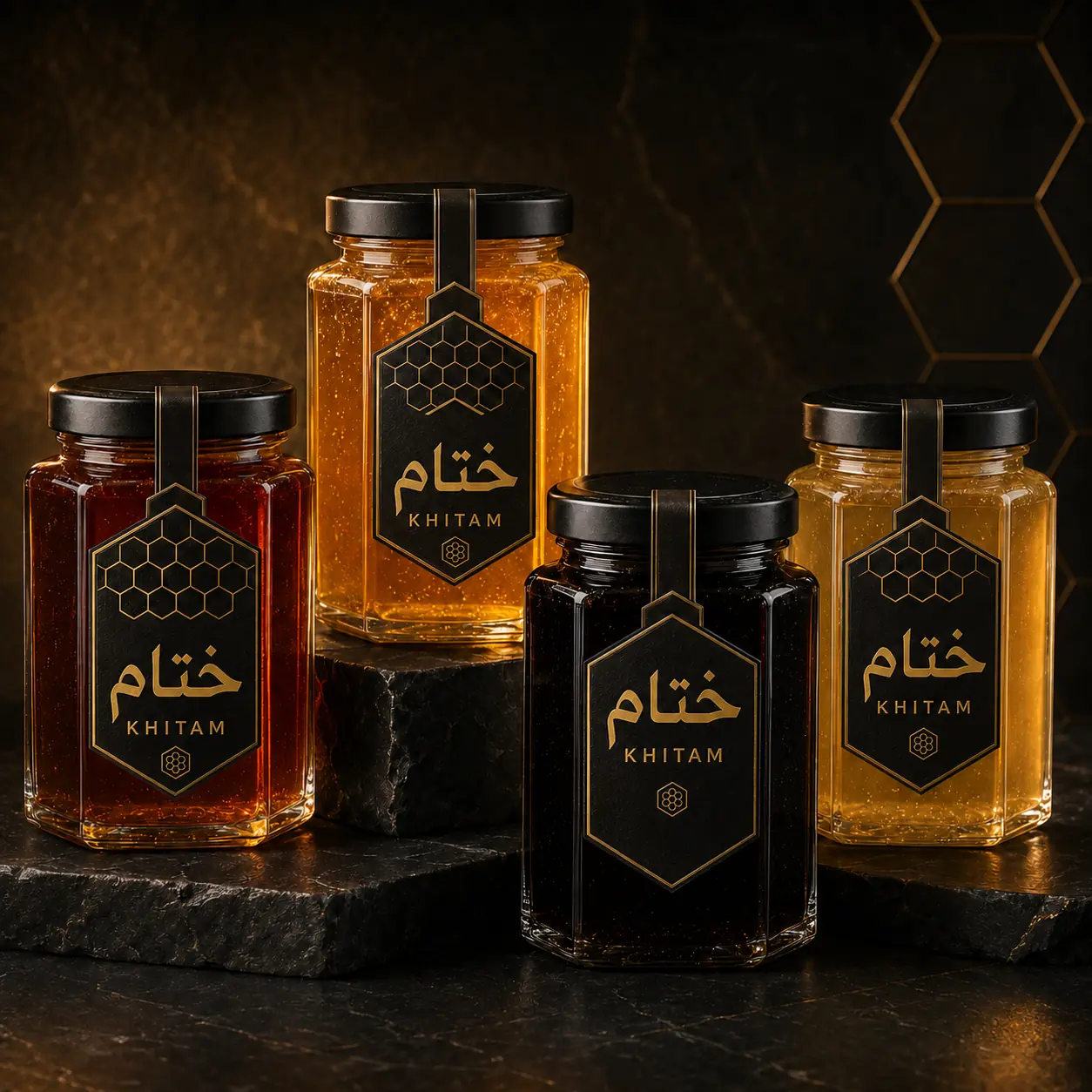
Traceability and QR Codes on Honey Jars
A useful code leads to readable batch data and does not replace the core label or actual document.
Read the full guide →Khitam World Honey Journal
The editorial archive
A useful code leads to readable batch data and does not replace the core label or actual document.
Read the full guide →No single number summarises quality; understand test purpose, units, limits and the received sample.
Read the full guide →Sample number, date, laboratory and batch should match before a report supports quality.
Read the full guide →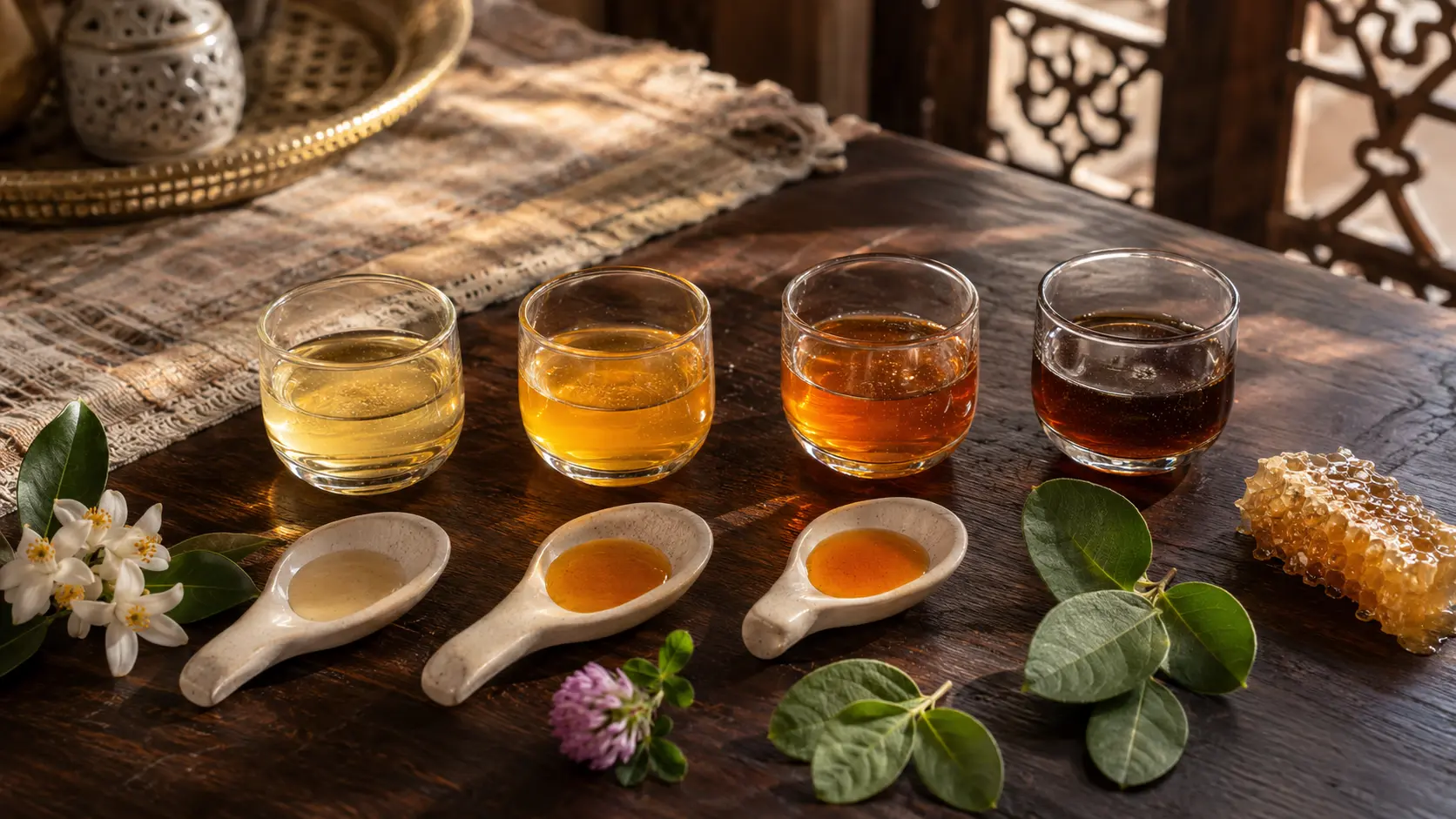
Explore regional and botanical variation while avoiding the mistake of turning a strong aroma into a medical claim.
Read the full guide →This variety shows that tasting quality is not always greater sweetness and may suit cheese better than drinks.
Read the full guide →Learn the difference between lavender-nectar honey and flavoured honey, reading ingredients and origin before judging aroma.
Read the full guide →A sensory guide to a bold honey balancing herbal aroma and sweetness, with a tasting portion before a large purchase.
Read the full guide →This guide explains grades, labels and origin while separating commercial classification from inappropriate medical promises.
Read the full guide →What makes this name distinctive, why it may remain liquid longer and how should declared origin be checked?
Read the full guide →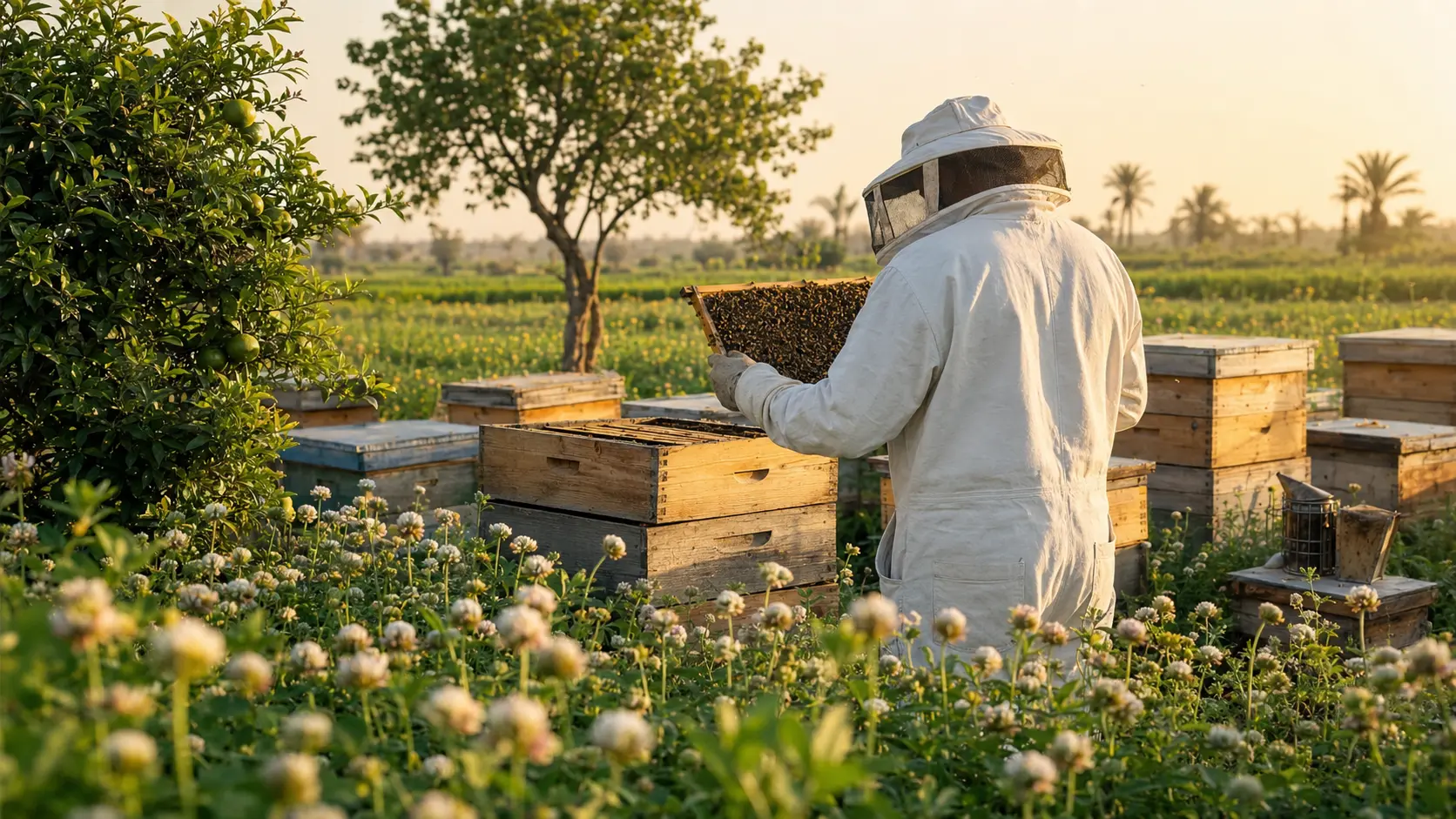
Pair two contrasting Egyptian varieties with an origin card and secure packaging so the box becomes a tasting experience.
Read the full guide →Responsible buying balances fair price, transparency, quality and continuity rather than chasing the lowest price or a story alone.
Read the full guide →A batch number, supply record, packing date and sample-linked certificate turn origin into something checkable rather than a slogan.
Read the full guide →Terroir is used carefully to explain environmental influence without claiming that flavour alone proves a governorate or apiary.
Read the full guide →A region name begins the question rather than ending it; dominant flora, foraging range, season and supplier records matter.
Read the full guide →An indicative map links clover, citrus and seasonal plants to weather while recognising annual and local shifts.
Read the full guide →Clear language, local pricing, country-led shipping and payment, verifiable certificates and accessible policies build trust.
Read the full guide →Name, ingredients, weight, origin, storage, allergens, batch and contact details make a useful sheet.
Read the full guide →Carton count, lids, temperature, labels and reference sample should be recorded before stock entry.
Read the full guide →Origin, season, capacity, batch records and issue response are practical signs for a long-term relationship.
Read the full guide →Approve a final sample covering contents, print, packaging and delivery before volume production.
Read the full guide →Drink temperature and tea intensity determine amount and timing, with the goal of preserving aroma rather than adding sweetness alone.
Read the full guide →Almond, hazelnut, walnut and pistachio bring different fats and aromas, and the right honey connects rather than masks them.
Read the full guide →Balance sesame's gentle bitterness with sweetness and adjust texture gradually for bread or fruit without oversized portions.
Read the full guide →Compare light white bread, whole grains and rich baking to choose a flavour that neither disappears nor overwhelms.
Read the full guide →