
This guide puts the question in proper scale and turns a broad headline into steps that can be applied and checked.
Balance sesame's gentle bitterness with sweetness and adjust texture gradually for bread or fruit without oversized portions.
The complete picture
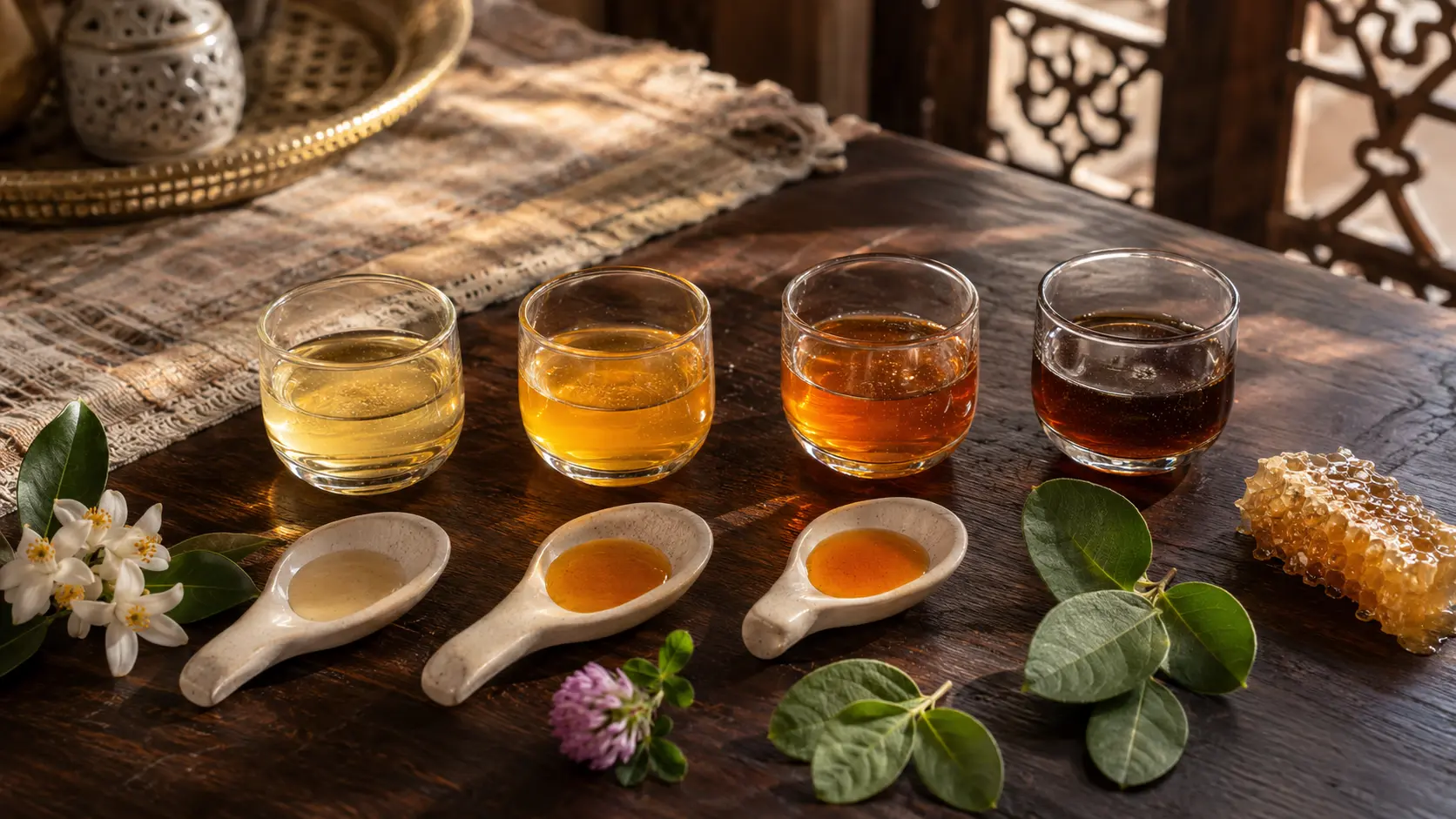
Honey tasting is a simple skill: moderate temperature, a small portion and aroma before sweetness. An organised comparison reveals differences that disappear when honey goes straight into strongly flavoured food. When reading this subject, the product description should remain consistent with its presentation and use, and any potential benefit should stay within the boundaries of food rather than treatment.
How should the evidence be read?
A good pairing balances intensity, texture, acidity and salt. A light honey preserves delicate yoghurt, while a deeper variety can stand beside aged cheese or toasted bread. For this topic, the central point is: Balance sesame's gentle bitterness with sweetness and adjust texture gradually for bread or fruit without oversized portions. Look for information that can be tied to a jar, batch, recipe or clear source, and do not treat one personal experience as a universal result.
A practical step-by-step approach
Begin by defining your goal for “Honey and Tahini: A Simple Ratio for a Beloved Egyptian Pairing”: understanding a fact, choosing a product, adjusting a recipe or comparing two offers. Gather only the data relevant to that goal, test on a small scale and record the result. If several variables change together, the cause of the difference will remain unclear. Serve only two or three varieties, use separate spoons and water between samples, and record a personal description rather than hunting for one correct answer.
Mistakes worth noticing
A tasting session does not need large portions; honey remains a source of free sugars. Respect allergies and disclose ingredients to guests. Other mistakes include comparing products of different weights or storage histories, relying on an image removed from context, or ignoring added ingredients in blends. Good transparency lets you see both what is known and what is not yet known.
Quick review checklist
- Begin with the lightest flavour
- Use separate dry utensils
- Record aroma, texture and finish
- Serve small, clearly identified portions
After the review, choose the least complicated action that answers your question, then reassess after a real trial. This small step is more useful than chasing dozens of conflicting tips.
Khitam conclusion
“Honey and Tahini: A Simple Ratio for a Beloved Egyptian Pairing” does not need exaggeration to be useful. Combine sensory description, written information and a credible source, while keeping realistic expectations about natural variation. Honey and bee products then become an understandable part of food and culture, not a container for unmeasurable promises.