
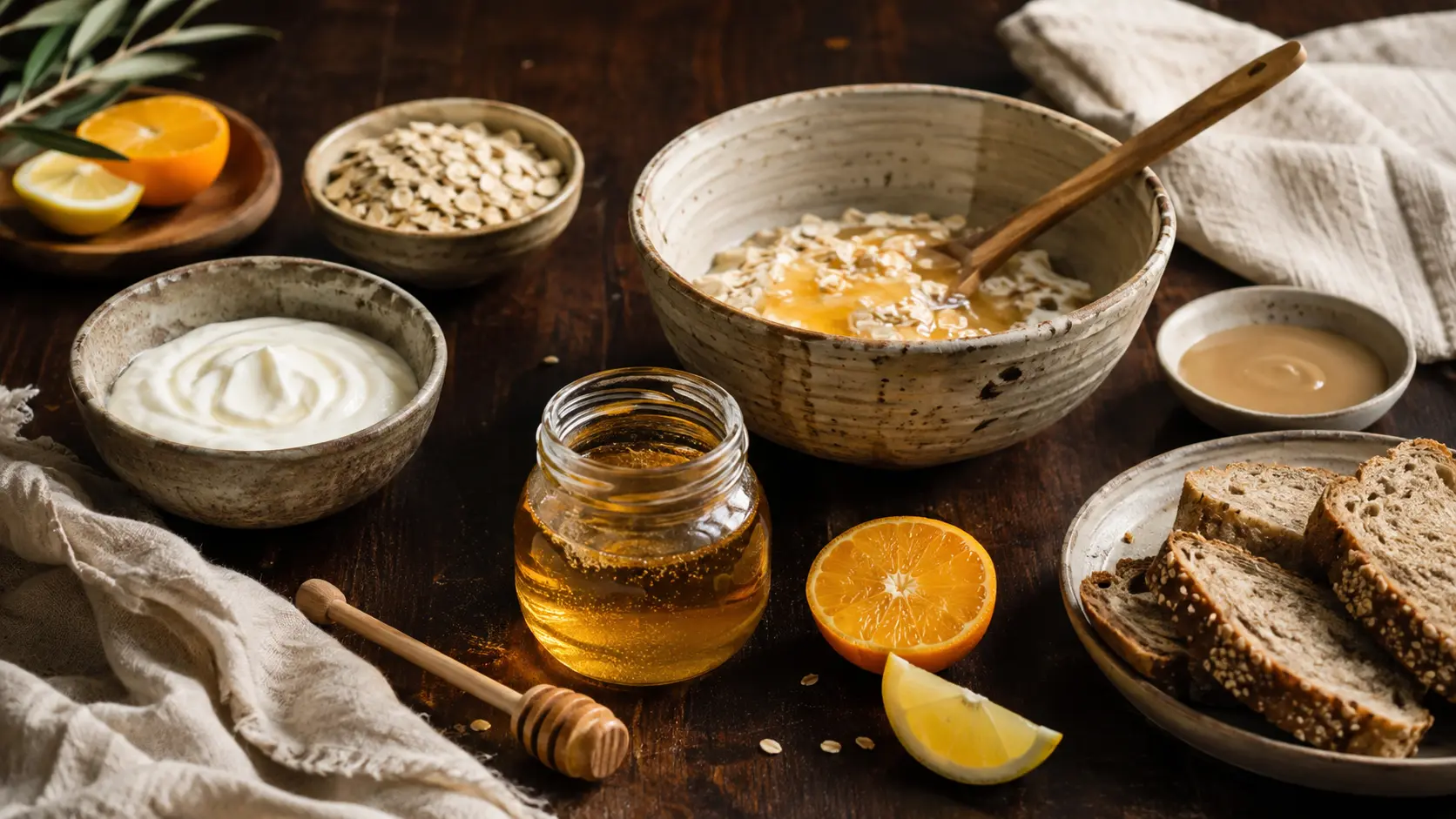
Honey Mocktails for Guests: Building Flavour in Layers
Balance acid, herbs, bubbles and honey and pre-measure the portion for an elegant drink that is not overly sweet.
Read the full guide →Khitam World Honey Journal
The editorial archive
Balance acid, herbs, bubbles and honey and pre-measure the portion for an elegant drink that is not overly sweet.
Read the full guide →Dissolve honey first in a little lukewarm liquid, then chill the base so it does not sit in a lump at the bottom.
Read the full guide →Reduce another liquid when needed, watch the top early and choose a variety that does not overpower vanilla or spice.
Read the full guide →Honey feeds yeast and adds colour and moisture, but its effect depends on flour, water and time rather than one universal ratio.
Read the full guide →Adjust liquids and baking temperature and test part of the recipe because honey changes more than sweetness.
Read the full guide →A measured addition near the end brings gloss and balance without burning sugars or masking the vegetables.
Read the full guide →Honey speeds browning, so control portion, heat and timing, and keep raw marinade separate from serving sauce.
Read the full guide →Build a small dressing from acid, oil, honey and seasoning, then adjust by taste rather than overwhelming the salad.
Read the full guide →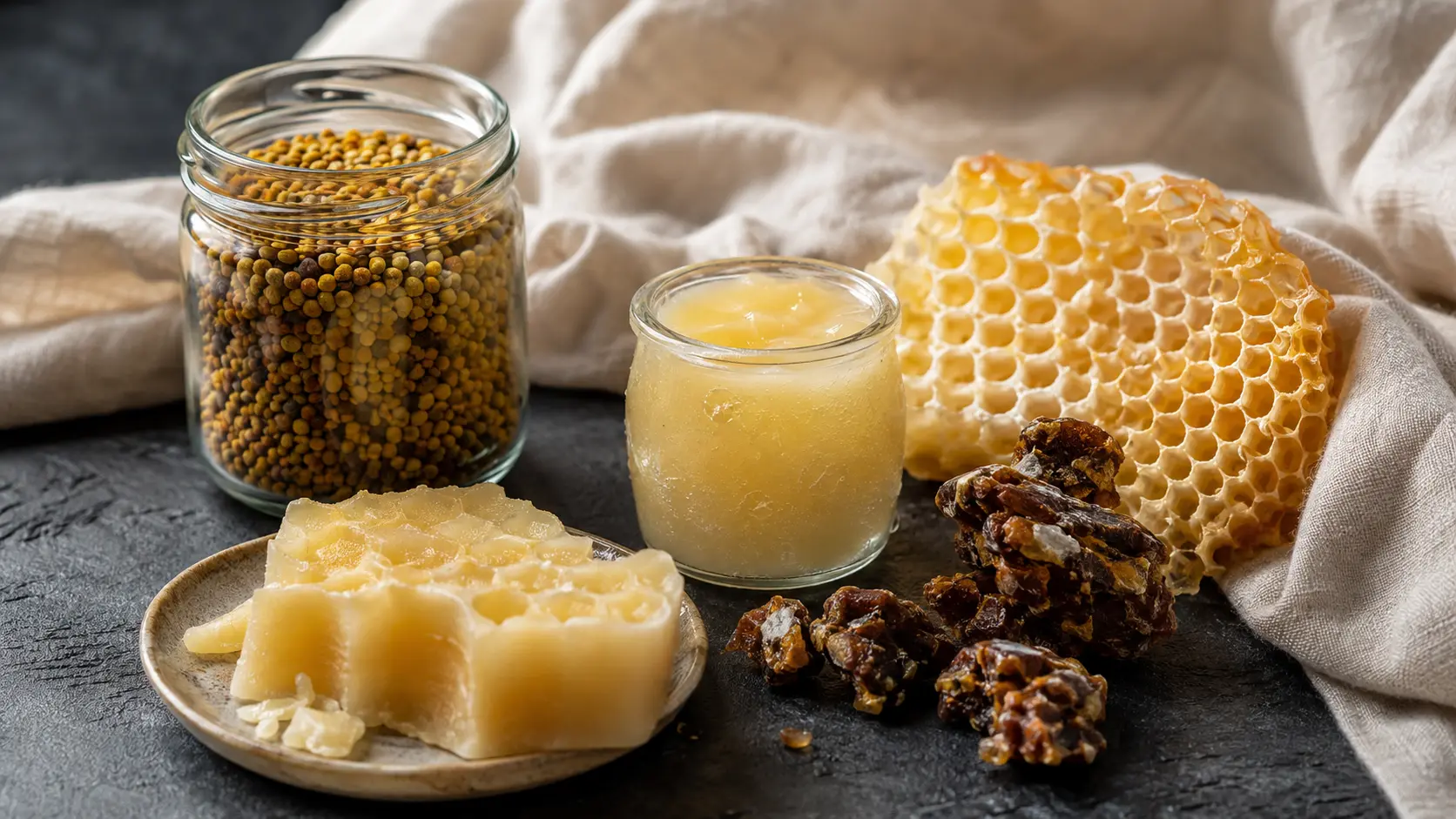
A history of pollen or bee-product allergy or asthma makes professional advice more important than self-testing a small amount.
Read the full guide →Products differ in moisture and processing, so follow the supplier label and prevent heat, humidity and contamination.
Read the full guide →Review ingredients, weight, origin, storage and batch details instead of relying on the word superfood.
Read the full guide →Learn how bees collect pollen, why granule colours and composition vary, and why safety and allergy history come first.
Read the full guide →Using a spoon and serving honey beside the food offers better control and tasting than pouring straight from the jar.
Read the full guide →Balance bread, cheese or yoghurt, fruit and tahini, keeping honey as a measured flavour rather than the whole meal.
Read the full guide →Honey may add quick carbohydrate, but it belongs within food, fluids and an activity plan rather than replacing complete nutrition.
Read the full guide →Use honey in a secure, low-leak recipe while making age, allergy and portion rules clear to parents.
Read the full guide →Choosing a light or deep variety and letting the drink cool slightly helps reveal aroma rather than rushing sweetness.
Read the full guide →Taste the fruit first and add honey only if needed, with protein or fibre and a measured liquid portion.
Read the full guide →Try tahini, fresh cheese, peanut butter and fruit with a honey matched to each base's intensity.
Read the full guide →Add protein, fibre and crunch while measuring honey, and distinguish plain yoghurt from an already sweetened product.
Read the full guide →A bee product can trigger skin or other reactions in some people, making allergy history more important than popularity.
Read the full guide →Look for extract type, concentration, solvent, volume and warnings rather than relying on a dropper image and dark colour.
Read the full guide →Format, concentration, solvent and added ingredients change use and storage, so products cannot be compared by name alone.
Read the full guide →Distinguish pure royal jelly from honey blends and review actual amount and ingredients before comparing prices.
Read the full guide →