The aim is not to create another promise, but to give the reader a calm way to compare and choose.
Pair two contrasting Egyptian varieties with an origin card and secure packaging so the box becomes a tasting experience.
The complete picture
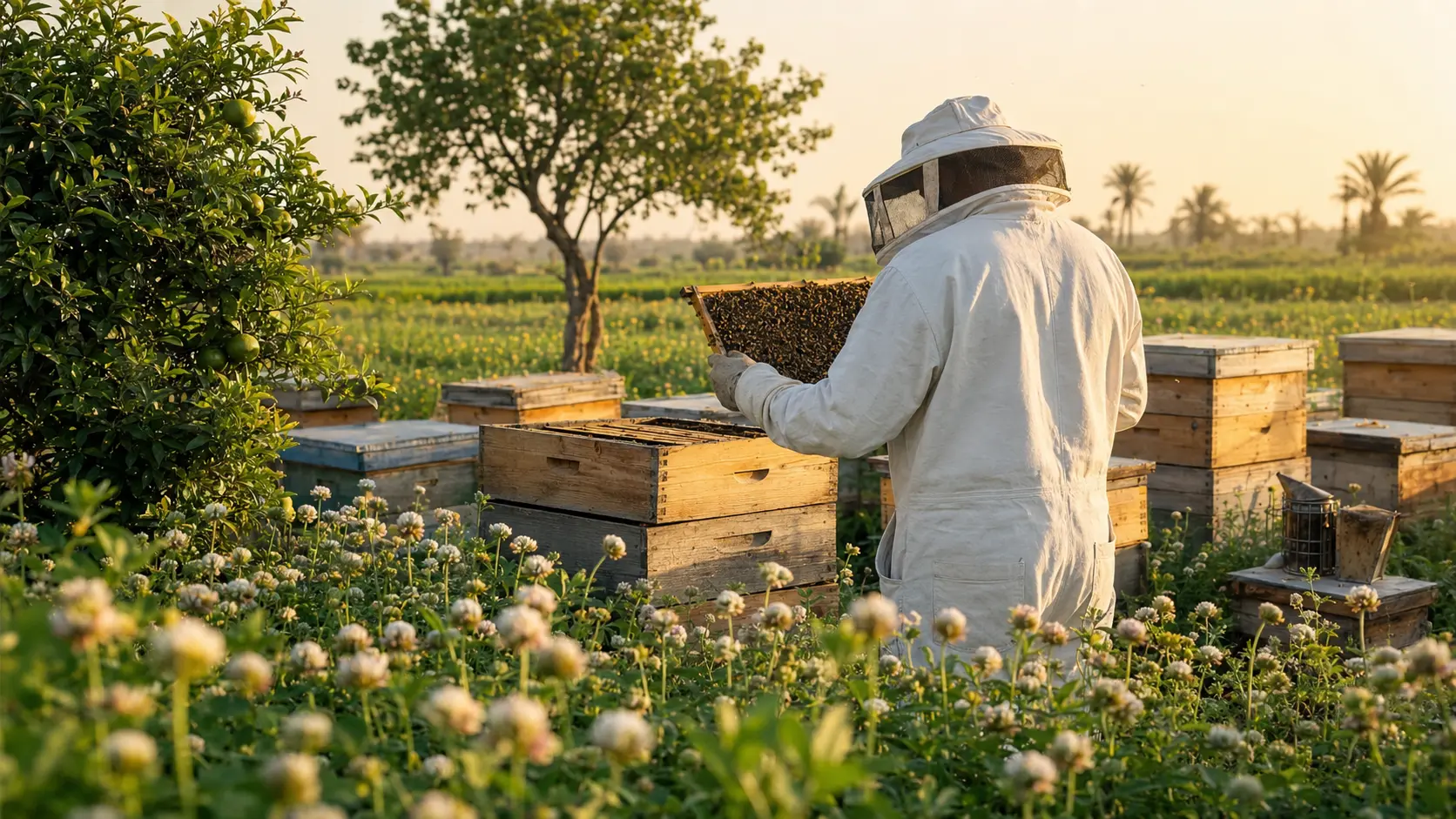
Egyptian agriculture gives honey distinct stories through clover fields, citrus orchards and seasonal flora. Region, weather and flowering time influence a batch as much as the variety name. When reading this subject, the product description should remain consistent with its presentation and use, and any potential benefit should stay within the boundaries of food rather than treatment.
How should the evidence be read?
A credible geographic origin is explained through traceability rather than a marketing word: a known apiary or supplier, harvest season, dominant flora and packing that protects the product from heat and moisture. For this topic, the central point is: Pair two contrasting Egyptian varieties with an origin card and secure packaging so the box becomes a tasting experience. Look for information that can be tied to a jar, batch, recipe or clear source, and do not treat one personal experience as a universal result.
A practical step-by-step approach
Begin by defining your goal for “A Honey Gift That Tells Egypt's Story: Varieties and Packaging”: understanding a fact, choosing a product, adjusting a recipe or comparing two offers. Gather only the data relevant to that goal, test on a small scale and record the result. If several variables change together, the cause of the difference will remain unclear. Compare aroma, flavour and texture with the seller's description, allowing for a natural difference between seasons while the variety's broad identity and package integrity remain consistent.
Mistakes worth noticing
A governorate name alone does not prove a monofloral honey, and origin cannot be established by colour alone. Ask for detail when provenance is central to the purchase. Other mistakes include comparing products of different weights or storage histories, relying on an image removed from context, or ignoring added ingredients in blends. Good transparency lets you see both what is known and what is not yet known.
Quick review checklist
- Ask about harvest season
- Review the actual sourcing area
- Allow for natural batch variation
- Protect the jar from transport heat
After the review, choose the least complicated action that answers your question, then reassess after a real trial. This small step is more useful than chasing dozens of conflicting tips.
Khitam conclusion
“A Honey Gift That Tells Egypt's Story: Varieties and Packaging” does not need exaggeration to be useful. Combine sensory description, written information and a credible source, while keeping realistic expectations about natural variation. Honey and bee products then become an understandable part of food and culture, not a container for unmeasurable promises.