Bee Pollen and Allergies: Who Should Pause and Ask?
A history of pollen or bee-product allergy or asthma makes professional advice more important than self-testing a small amount.
Read the full guide →Khitam World Honey Journal
The editorial archive
A history of pollen or bee-product allergy or asthma makes professional advice more important than self-testing a small amount.
Read the full guide →Products differ in moisture and processing, so follow the supplier label and prevent heat, humidity and contamination.
Read the full guide →Review ingredients, weight, origin, storage and batch details instead of relying on the word superfood.
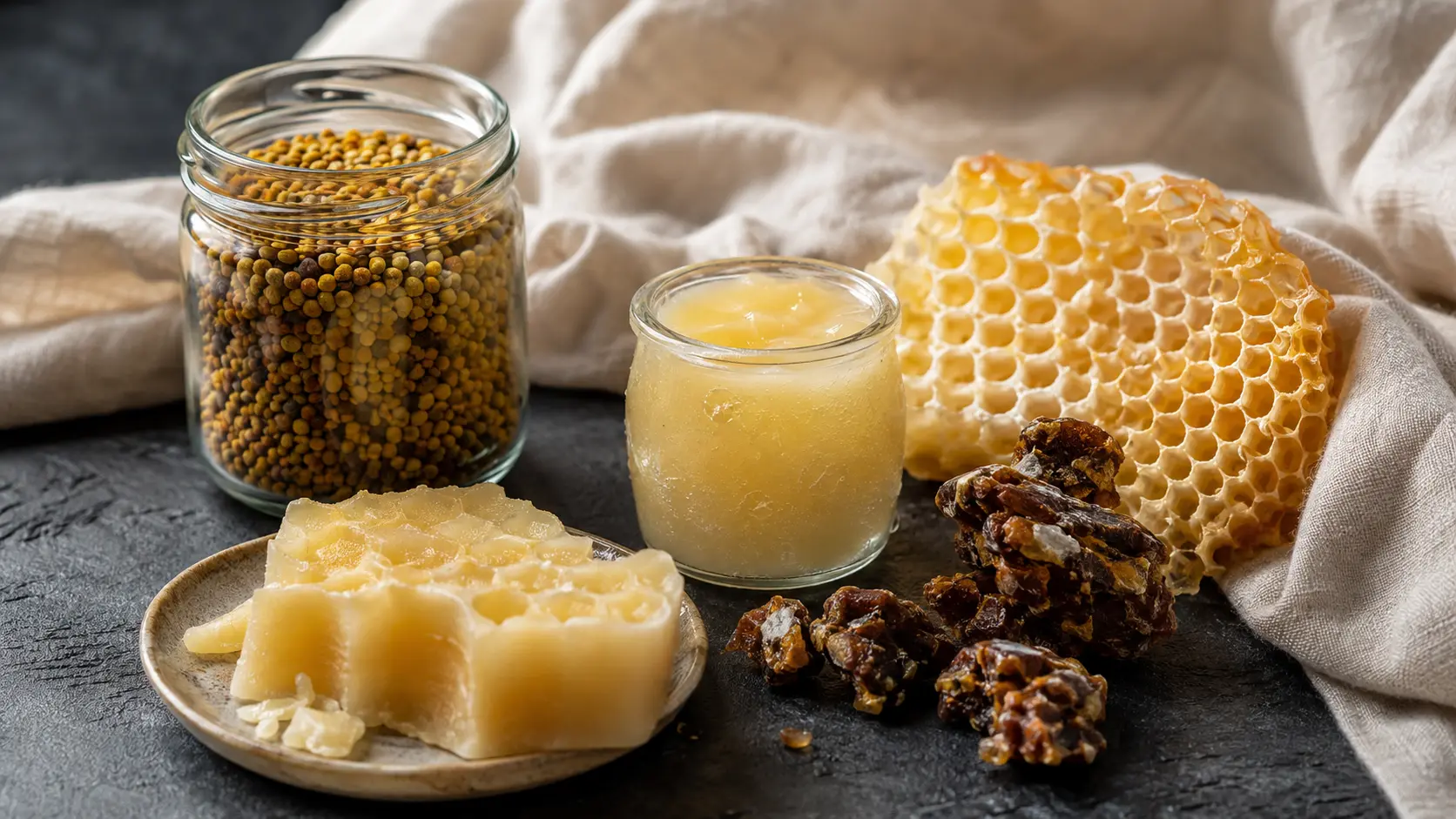
Read the full guide →Learn how bees collect pollen, why granule colours and composition vary, and why safety and allergy history come first.
Read the full guide →Clear source, sealed packaging, date, storage and delivery policy matter more than colourful images or brief reviews.
Read the full guide →Separate variable nutrient content from unproven fertility or performance promises and direct persistent symptoms to medical assessment.
Read the full guide →Honey is a sweet liquid or crystallised food; bee pollen is bee-processed plant granules, and the two are not automatic substitutes.
Read the full guide →Before blending, review allergies, other ingredients, total sweetness and product directions, then choose a simple traceable recipe.
Read the full guide →Learn serving, label and practical portion basics while recognising that mixing does not remove allergy risk or create a treatment.
Read the full guide →Colours and flavours range from floral to herbal, so start by describing the product rather than hiding it in a large blend.
Read the full guide →