
Honey and Bee-Product Allergy: Signs and What to Do
Distinguish mild discomfort from allergy signs requiring stopping or urgent help, and disclose ingredients to guests.
Read the full guide →Khitam World Honey Journal
The editorial archive
Distinguish mild discomfort from allergy signs requiring stopping or urgent help, and disclose ingredients to guests.
Read the full guide →Honey contains sugars and belongs inside an individual plan; it does not replace medicines, monitoring or recommended testing.
Read the full guide →After age one, honey remains a free sugar needing a defined portion, dental care and review of every blend ingredient.
Read the full guide →Learn the clear safety rule and why cooking or mixing honey in a home recipe does not make it appropriate for an infant.
Read the full guide →A mother may generally eat it as food, but honey itself must never be given to an infant under one or placed on a pacifier.
Read the full guide →General guidance separates honey as food from herb and supplement blends, directing individual cases to the care team.
Read the full guide →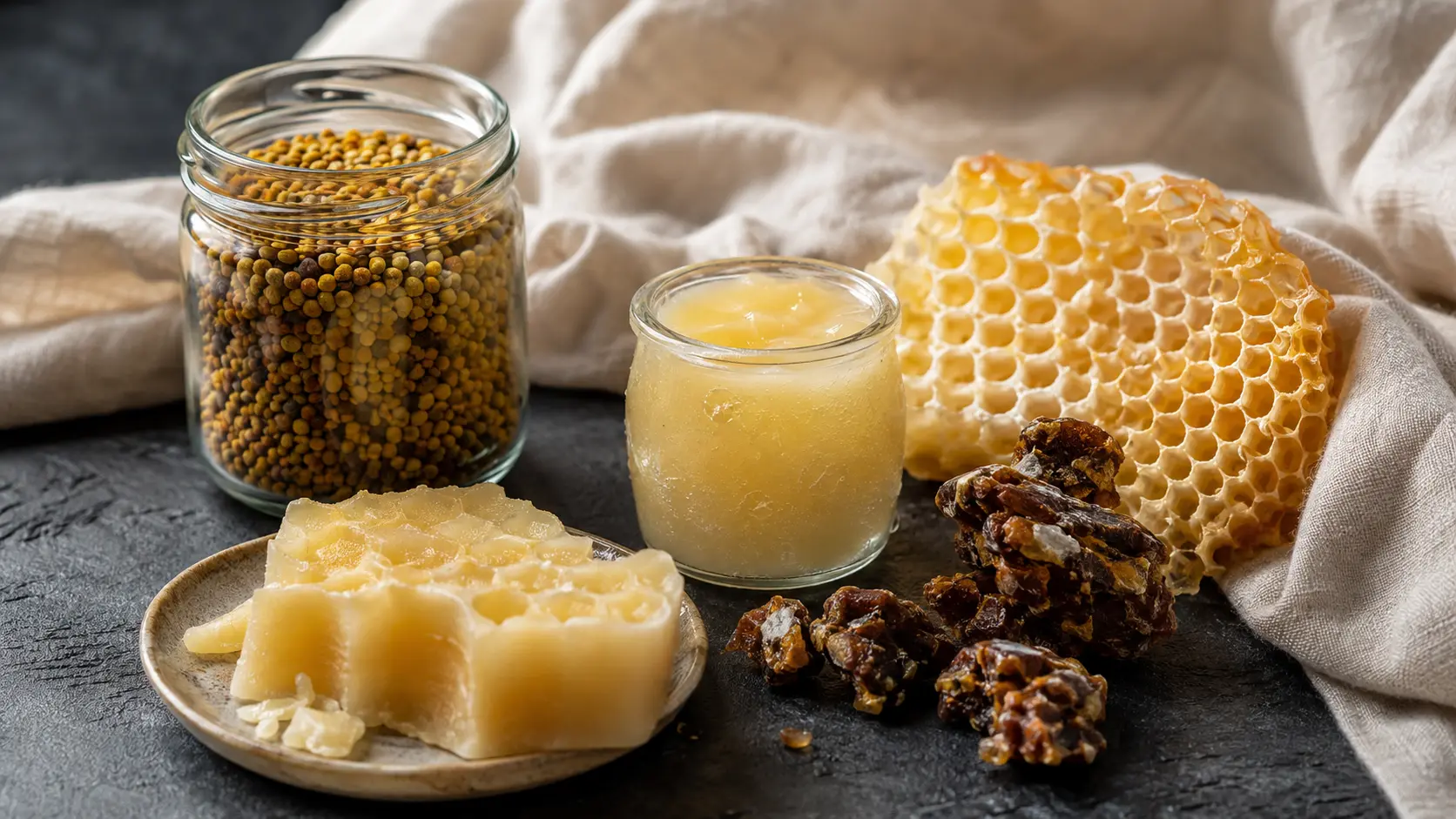
A checklist covers goal, evidence, ingredients, allergies, medicines, price, alternatives and when to seek medical assessment.
Read the full guide →Review every ingredient, concentration and warning instead of trusting words like power or vitality or an athletic package image.
Read the full guide →
Look for basic answers in the title, description, images and technical details rather than being led by the hook alone.
Read the full guide →Specific source, weight, ingredients, realistic photos, clear policy and batch evidence when needed beat home tests.
Read the full guide →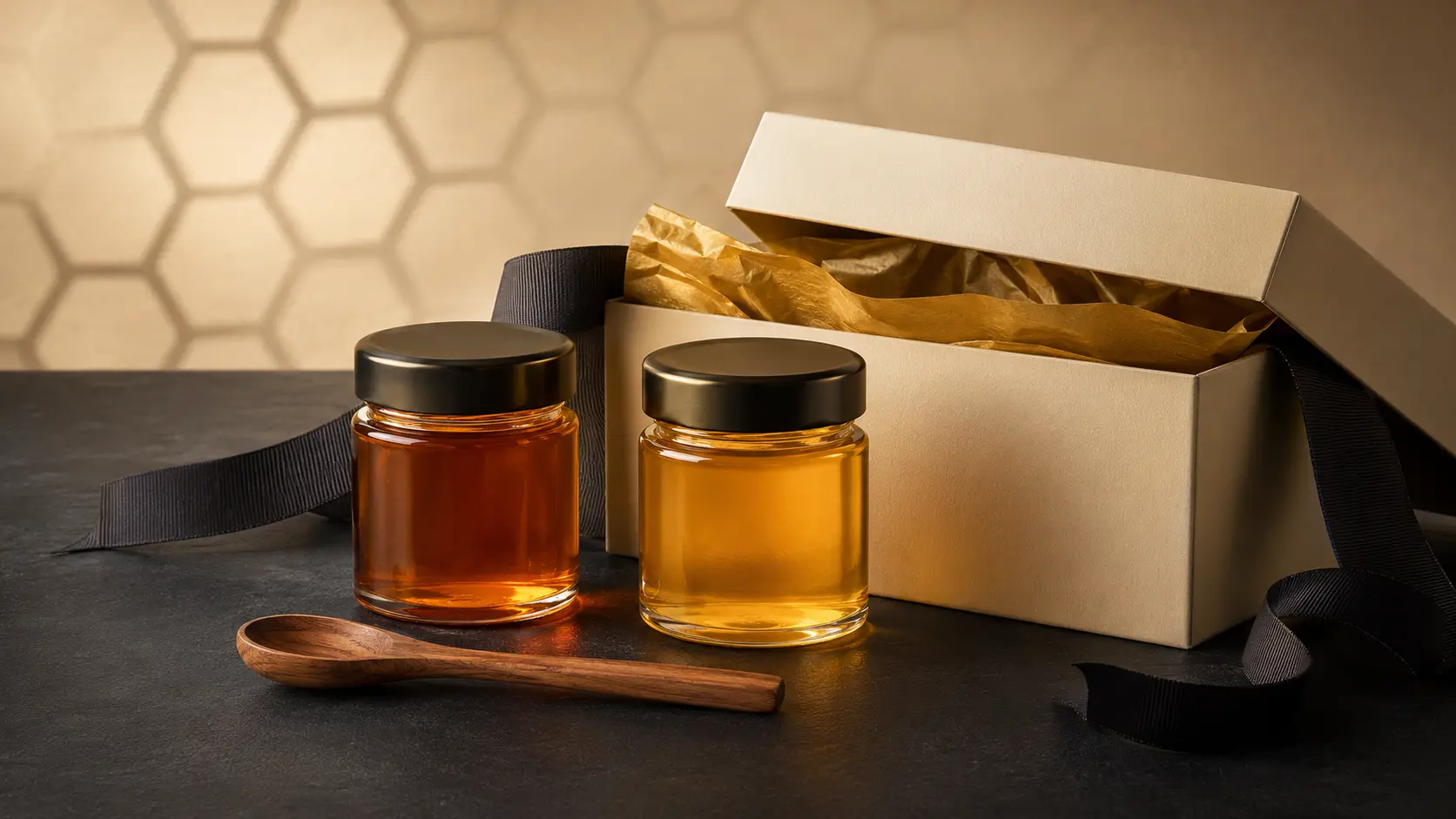
Reduce layers, choose reusable materials and size the box to the jars while maintaining breakage protection.
Read the full guide →Place the card or sleeve away from weight, ingredients, date and contact details so essential information remains readable.
Read the full guide →One good jar, a personal thank-you and clean wrapping may suit better than an expensive box that creates discomfort.
Read the full guide →Choose a medium size, broadly appealing flavour and packaging that needs little space or complicated refrigeration.
Read the full guide →An everyday variety, serving dish or spoon and storage card offer immediate value without an oversized box.
Read the full guide →Balance appearance with impact and heat protection, adding a short message without hiding product information.
Read the full guide →Combine flavours suited to bread, yoghurt and drinks with serving and storage notes rather than seasonal health claims.
Read the full guide →A small sealed jar with ingredients, date and occasion name creates a practical, usable memory.
Read the full guide →Define budget, count, brand message and delivery date, then approve a complete sample before a large run.
Read the full guide →Two contrasting varieties, a serving tool, information card and stable packing create more value than many purposeless pieces.
Read the full guide →
Pollen is a colony food resource different from nectar and is stored and processed inside the hive in distinct ways.
Read the full guide →Movement, direction and duration convey food-source information within a wider sensory and environmental context.
Read the full guide →Scent, colour, location and learning help a bee choose a food source and return efficiently.
Read the full guide →Learn the roles of queen, workers and drones and how a worker's tasks change with age and colony needs.
Read the full guide →