
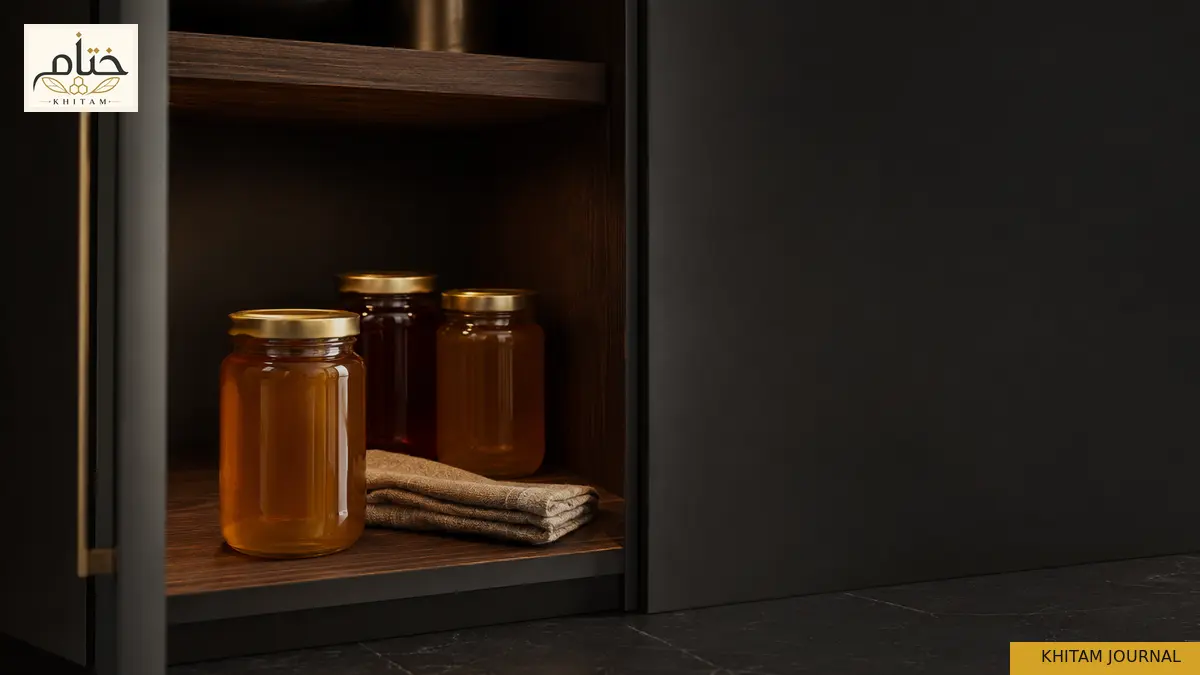
Should Honey Be Refrigerated? The Answer Depends on Use
When room-temperature storage is preferable and why refrigeration may change texture without improving safety.
Read the full guide →Khitam World Honey Journal
The editorial archive
When room-temperature storage is preferable and why refrigeration may change texture without improving safety.
Read the full guide →
An age-based safety guide, including the firm rule that honey must not be given to infants under 12 months.
Read the full guide →
How honey and table sugar differ in taste, moisture and recipe behaviour while both remain sources of added sweetness.
Read the full guide →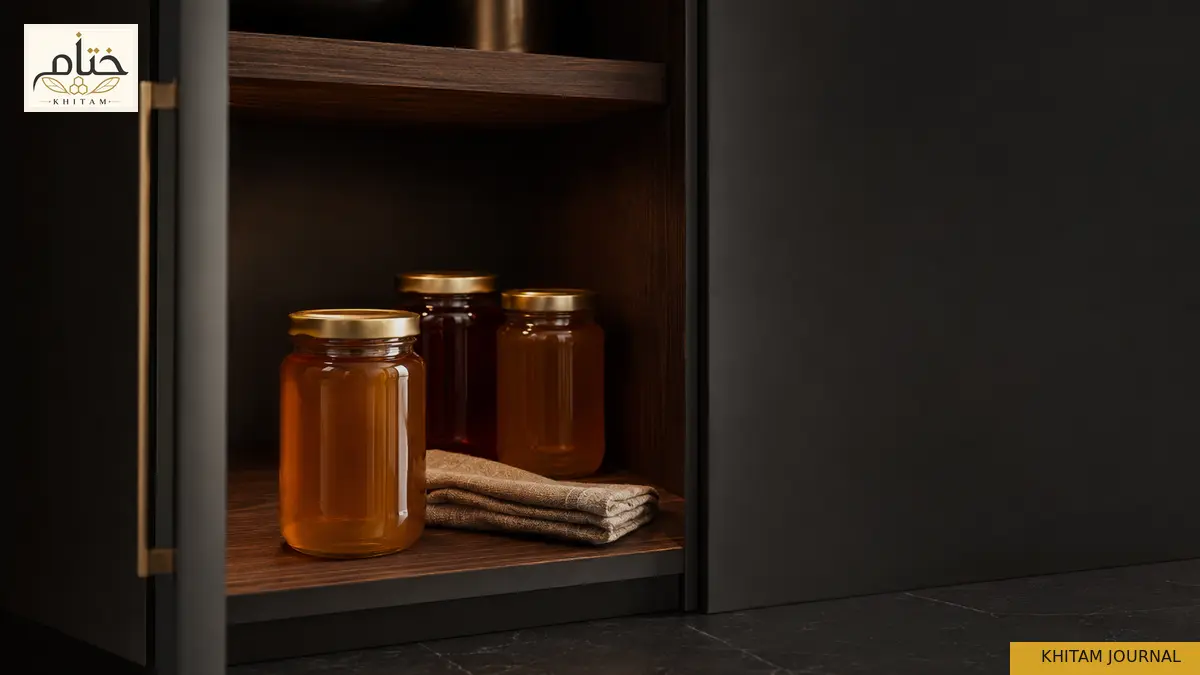
How time, moisture, packaging and storage conditions affect honey, plus signs that deserve attention.
Read the full guide →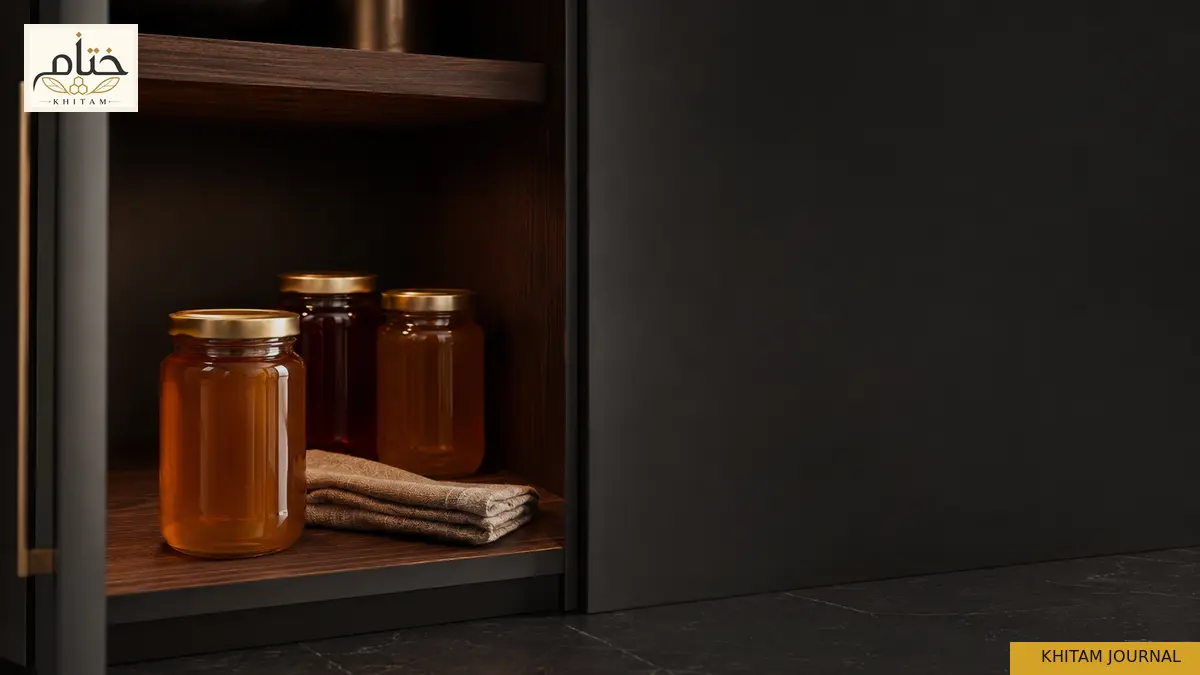
Simple storage rules for protecting flavour and texture while keeping moisture out of the jar.
Read the full guide →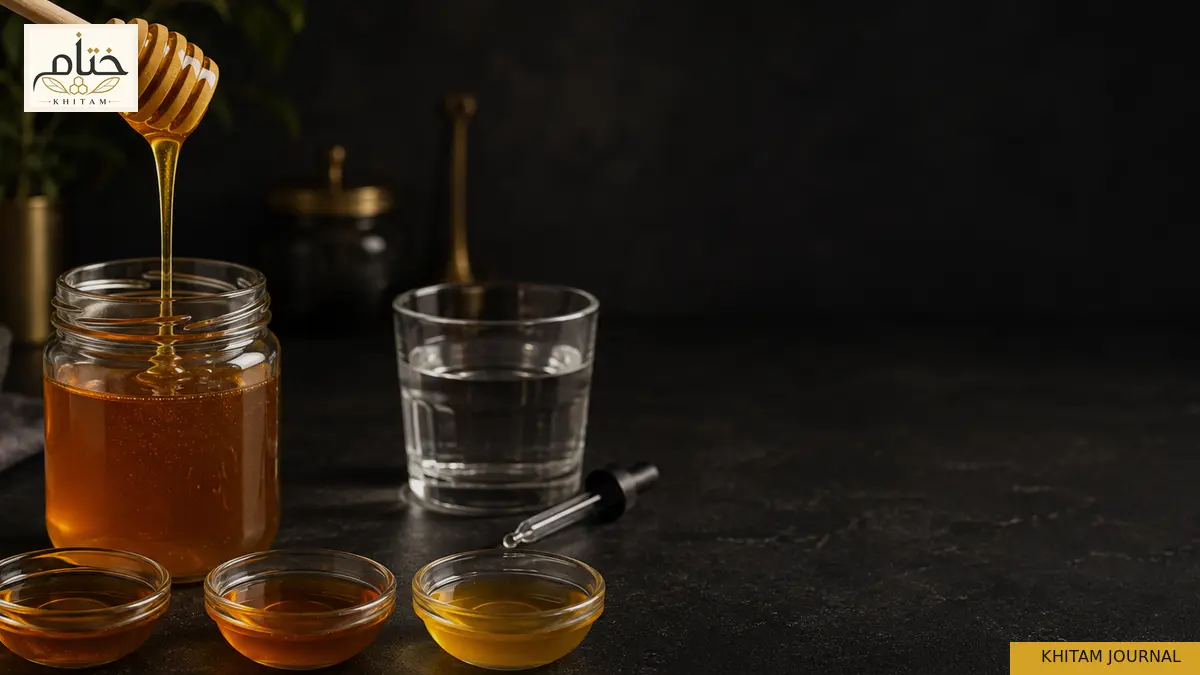
A guide to understanding shades from pale gold to deep amber without using colour or thickness as a simplistic quality test.
Read the full guide →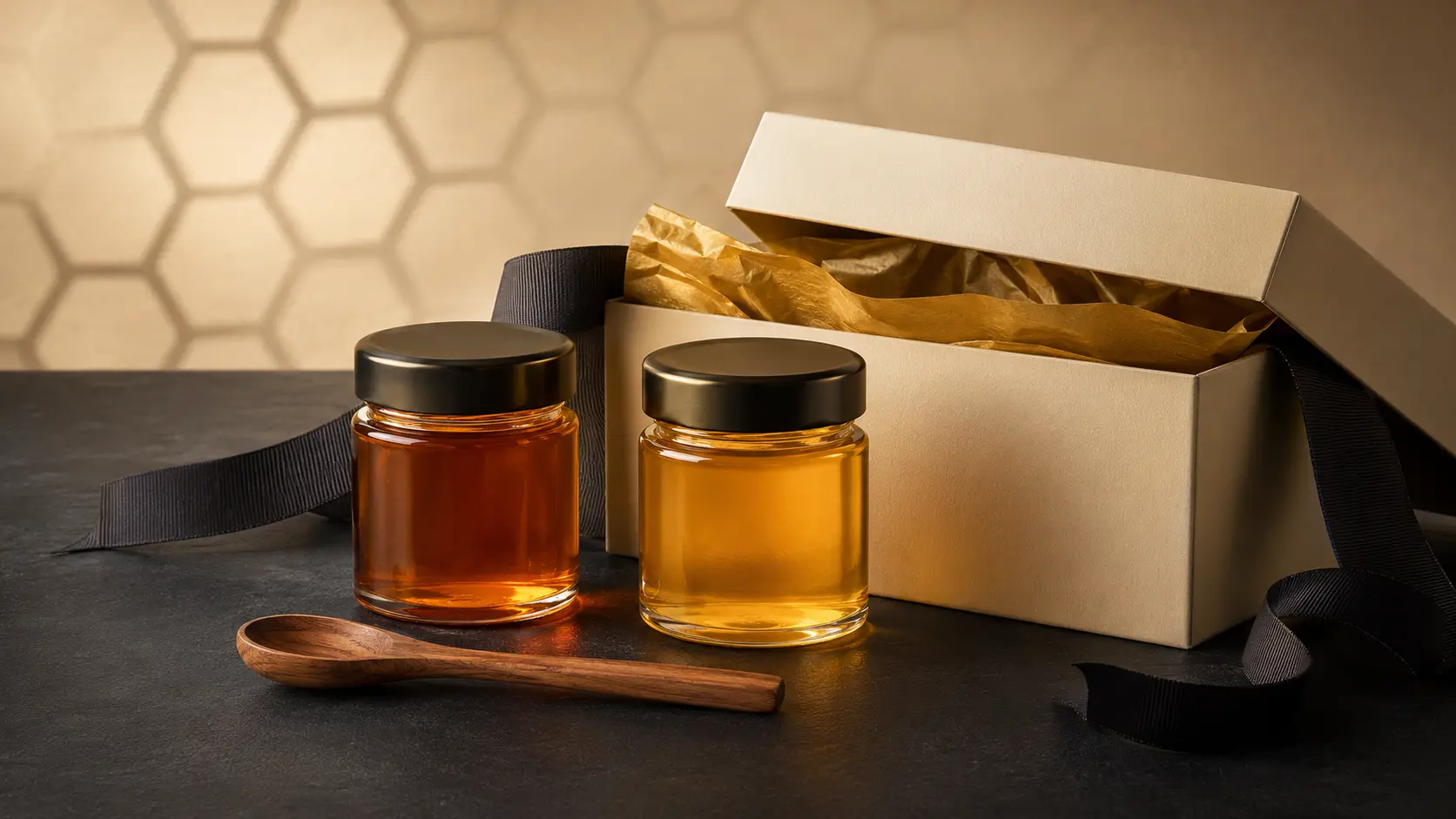
Confirm addresses, delivery window, personalisation, sample, reserve stock and a breakage plan before execution.
Read the full guide →Shelf labels, opening logs and isolation of damaged jars keep stock clear and prevent unnecessary batch mixing.
Read the full guide →Review traceability, hygiene, storage, capacity, reports and complaints and take a documented representative sample.
Read the full guide →Specification, supplier, testing, label, batch, packing and legal responsibility come before logo and campaign.
Read the full guide →Organise by variety, use and size with readable cards while avoiding direct sun and visual clutter.
Read the full guide →Texture, moisture, flavour and price affect dough and colour, so test a batch and document the accepted ratio.
Read the full guide →Choose a few suitable drinks, set a consistent amount, honest description and per-cup cost before launch.
Read the full guide →Compare individual portions, dispensers and jars for hygiene, portion, guest experience and operating cost.
Read the full guide →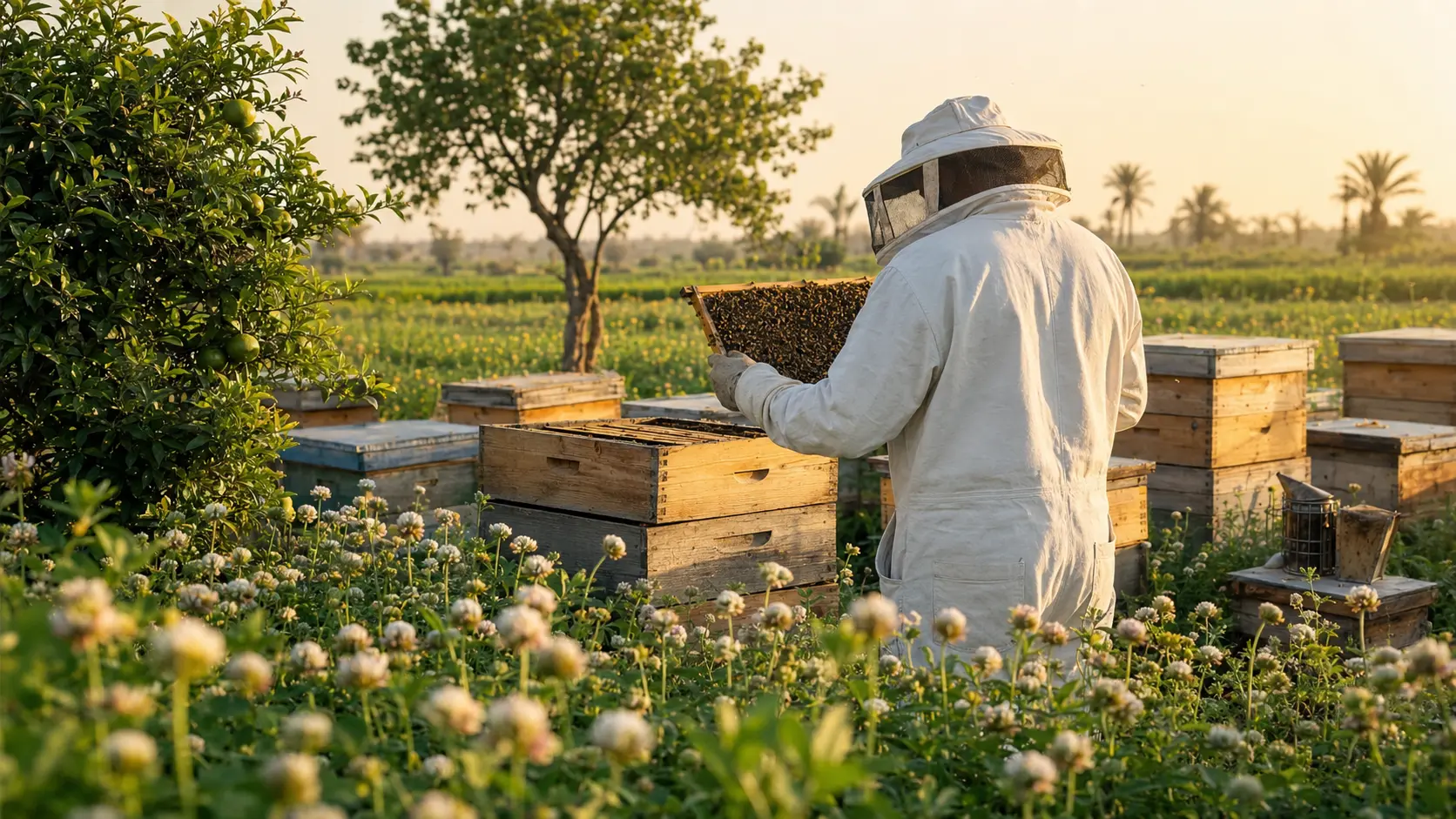
Each batch reflects flora, apiary management and season, while biodiversity support requires action beyond one purchase.
Read the full guide →Heat, rainfall, bloom timing and drought may change forage and harvest, but effects are local and need long records.
Read the full guide →Ask about long-term relationships, buying price, colony care and batch quality rather than a beautiful promotional story alone.
Read the full guide →Knowing supplier, region, season and practice enables real improvement and accountability beyond a generic green slogan.
Read the full guide →
High heat may change aroma and some quality indicators, but flavour quality must be separated from unsupported toxin stories.
Read the full guide →Brief contact with a clean food utensil differs from storage in reactive metal; cleanliness and dryness matter most.
Read the full guide →High stability does not erase moisture, contamination, packaging or added blends, so storage instructions still matter.
Read the full guide →Room temperature, moisture and variety change flow, so jars need comparable conditions and context.
Read the full guide →Colour reflects source, season and storage; the better choice depends on flavour, use and transparency rather than shade.
Read the full guide →Cold raises viscosity and may accelerate crystallisation depending on sugars, while pure and mixed products can behave differently.
Read the full guide →