
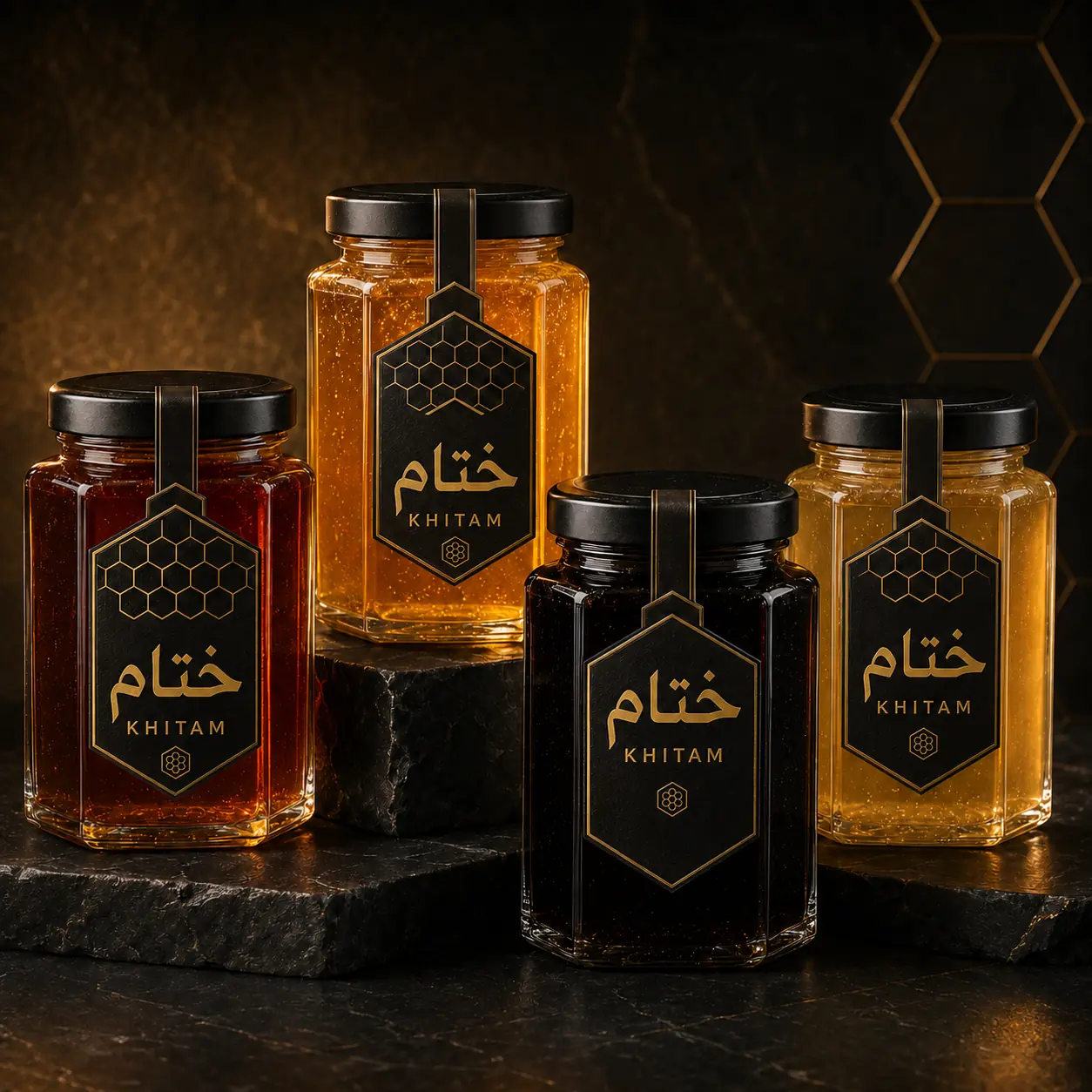
This guide answers “Storing Honey in the Gulf's Hot Climate” by putting verifiable information ahead of advertising. A moderate indoor cupboard and tight lid beat a sunny window, hot car or unnecessary chilling.
Why does the topic matter?
Gulf summer heat makes the jar's journey part of quality. Stable honey generally does not need refrigeration, but benefits from a moderate shaded place, a tight lid and dry utensils, while some bee products require strict label-led storage. A digital shopper may see dozens of offers in minutes, but a sound decision starts with details that can be linked to the jar, order and destination. Structured information saves time and prevents unlike products from being compared as equals.
How should the information be read?
Separate three layers: written fact such as weight or ingredients, sensory description such as flavour and texture, and a claim needing independent evidence. Colour, thickness or price alone cannot prove authenticity. Look for consistency between source, batch, date, storage and the item shown.
Practical steps
Collect the parcel promptly and do not leave it in a parked car. Move the jar to an indoor cupboard away from ovens and windows, and mark the opening date. Separate natural viscosity changes from leakage, fermented odour or a damaged lid. Put the decision in a small table: product, weight, price, delivery charge, ingredients and storage. For a gift or business quantity, test a complete sample including packing and delivery rather than approving one photograph.
Safety and realistic benefit
Strong heating is not a default texture fix, and unnecessary refrigeration may speed crystallisation in some varieties. The product instructions and the actual condition of the jar come first. Honey is a food containing sugars, while added ingredients can bring different allergy or precaution needs. Honey must not be given to an infant under one year and does not replace diagnosis, medicine or a therapeutic eating plan.
Quick review checklist
- Are name, ingredients and net weight clear?
- Are price, currency and shipping charge visible?
- Are address, phone and delivery timing correct?
- Are storage and allergy details available?
- Is there a contact route and issue-resolution policy?
A more confident decision
The conclusion for “Storing Honey in the Gulf's Hot Climate” is to turn impression into steps: define the use, read the data, review the complete cost, inspect the parcel on arrival and evaluate the real experience. Quality then becomes a repeatable practice rather than a visual slogan or an unmeasurable promise.