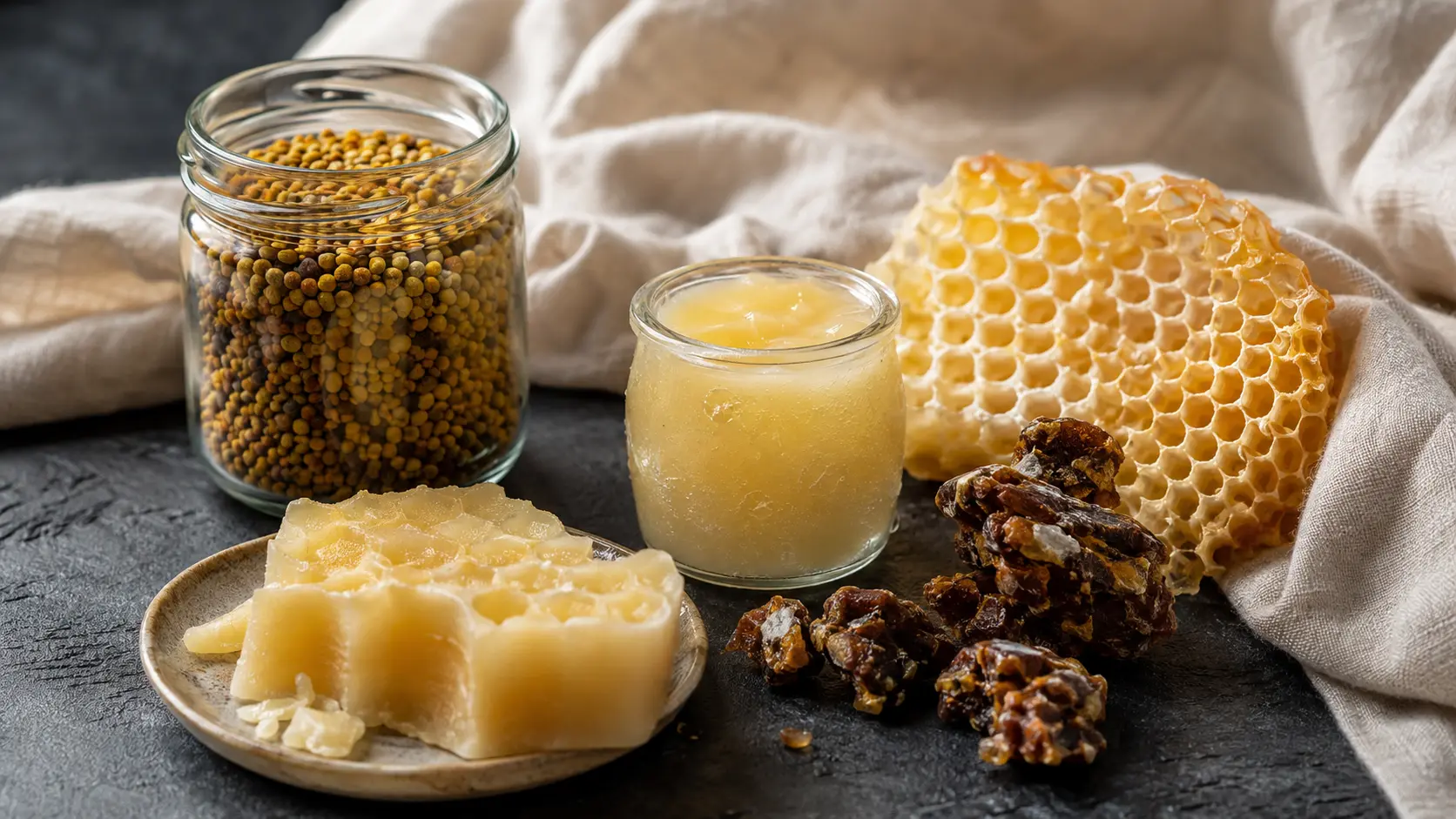
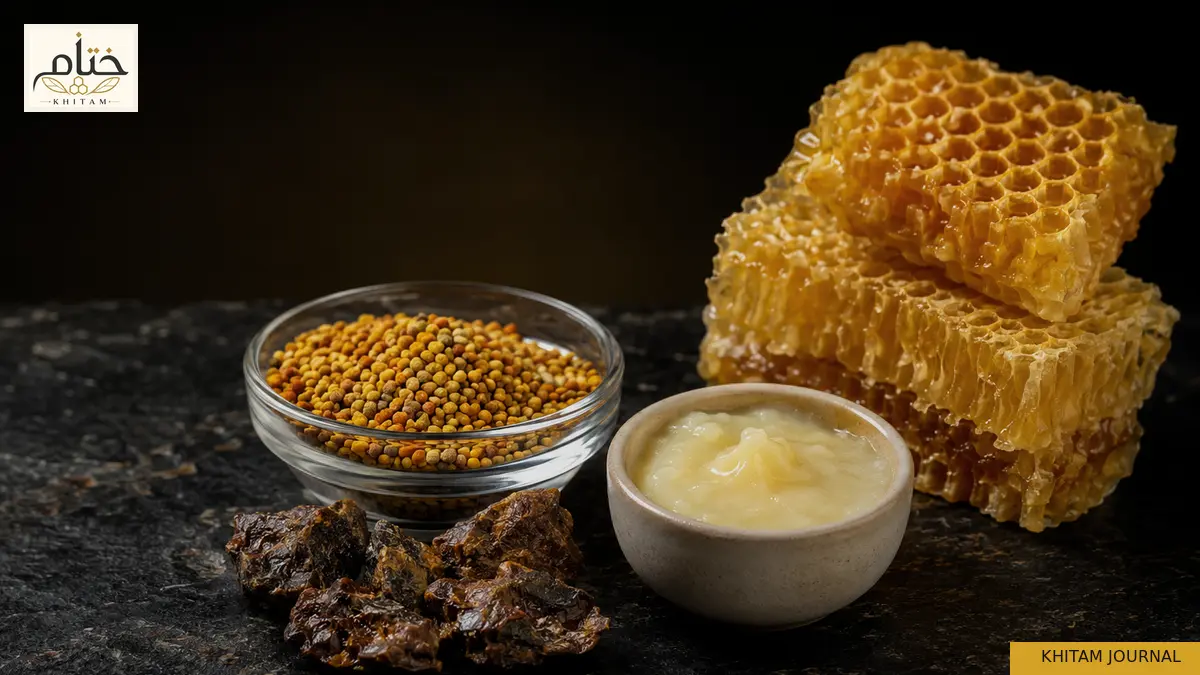
Practical guidance on texture, serving, storage and what to inspect when buying honeycomb.
The practical answer
Cut a small piece and chew it slowly; some people swallow the softened wax while others discard it. Choose a clean, well-packed piece with no leaking or fermented odour, and store it sealed away from heat and moisture.
What to check
Read the product name, net weight, ingredient information, source description and storage instructions. Make sure the packaging is intact and that the seller provides a real contact route, delivery terms and a clear process for reporting damage or an incorrect item. Natural products can vary from one harvest to another, so small changes in colour, aroma or texture are not automatically a defect.
Use and storage
Start with a sensible amount and use a clean, dry utensil. Keep the container closed, dry and away from direct sunlight or strong heat unless the product label gives different instructions. When trying a new variety or bee product, begin gradually and consider allergies, age and individual health needs.
Safety and realistic expectations
Honey and other bee products are foods, not guaranteed treatments. Honey must never be given to infants under 12 months. Anyone with a known bee-product allergy, a medical condition, pregnancy-related concerns or medicines that affect dietary choices should seek personalised guidance from a qualified healthcare professional.
Khitam checklist
- Choose by clearly stated type, weight and intended use.
- Compare information, not colour or thickness alone.
- Keep the order confirmation and photograph shipping damage promptly.
- Ask the seller when a label, batch or storage instruction is unclear.
Summary
Natural Honeycomb: How to Eat It and Choose a Good Piece becomes easier when you combine reliable sourcing, a complete label, sensible storage and realistic expectations. This approach protects the product's quality and helps you choose according to flavour and use rather than unsupported shortcuts.